
How to Care for a Newborn Baby in the First 30 Days: A Complete Guide for New Parents
Bringing a newborn baby home is a beautiful yet overwhelming experience. The first 30 days are crucial for your baby’s growth, health, and emotional security. New parents often have many questions about feeding, sleeping, bathing, and overall newborn care. This guide explains how to care for a newborn baby in the first 30 days, helping you feel confident and prepared during this special phase.
Understanding Your Newborn’s First Month
The first month of a newborn’s life is a period of rapid adjustment. Babies are adapting to life outside the womb, and their basic needs revolve around feeding, sleeping, warmth, and comfort. Newborns usually sleep 14–17 hours a day, feed frequently, and cry to communicate hunger, discomfort, or the need for closeness. Understanding these patterns helps parents respond calmly and effectively.
Feeding Your Newborn Baby Properly
Proper nutrition is the foundation of newborn care in the first 30 days.
Breastfeeding
Breast milk is the best source of nutrition for newborns. It contains essential nutrients, antibodies, and enzymes that support growth and immunity. Newborns should be breastfed every 2–3 hours, or 8–12 times a day. Look for hunger cues such as sucking movements, rooting, or hand-to-mouth actions rather than waiting for crying.
Formula Feeding
If breastfeeding is not possible, infant formula is a safe alternative. Follow the preparation instructions carefully and feed your baby on demand. Always sterilize bottles and nipples to maintain hygiene.
Burping
After every feed, gently burp your baby to release trapped air and prevent discomfort or spit-ups.
Newborn Sleep Patterns in the First 30 Days
Newborn sleep Pattern is irregular and unpredictable. Babies sleep in short cycles and wake frequently for feeding.
- Newborns sleep 2–3 hours at a time.
- Day and night confusion is common.
- Place your baby on their back to sleep on a firm mattress.
Creating a calm sleep environment with dim lights and minimal noise helps your baby gradually develop a routine. Safe sleep practices are an essential part of caring for a newborn baby.
How to Bathe and Maintain Hygiene
Bathing a newborn requires gentle care, especially during the first few weeks.
- Give sponge baths until the umbilical cord stump falls off.
- Use lukewarm water and mild, fragrance-free baby soap.
- Limit baths to 2–3 times a week to avoid dry skin.
Keep your baby’s nails trimmed, clean skin folds gently, and change diapers frequently to prevent rashes. Proper hygiene supports your newborn’s comfort and health.
Umbilical Cord Care in the First Month
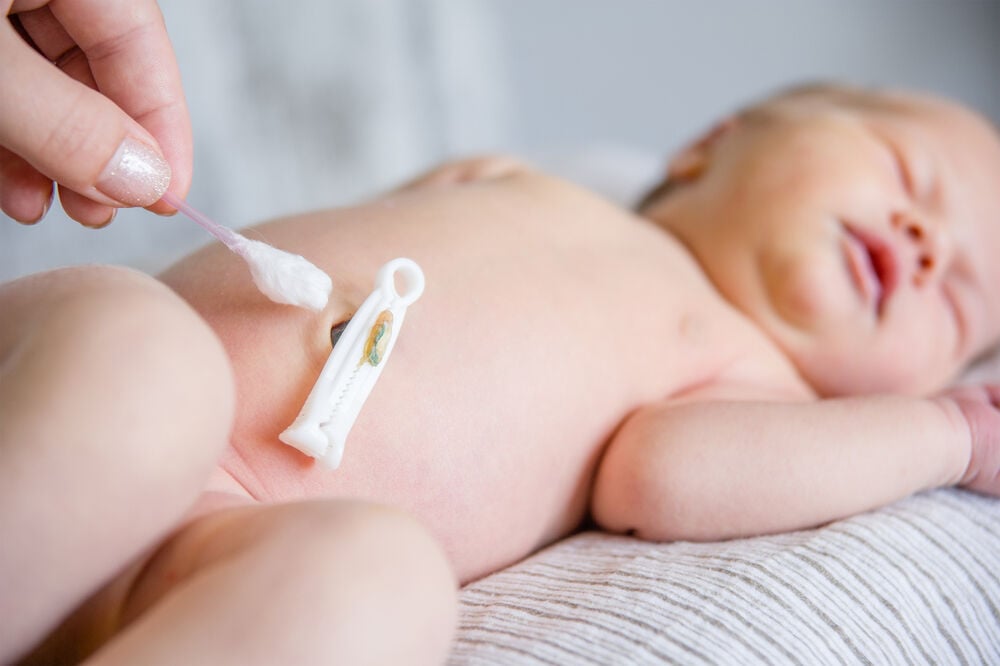
The umbilical cord stump usually falls off within 1–2 weeks. Until then:
- Keep the area clean and dry.
- Avoid covering it with diapers.
- Do not apply powders or home remedies.
Watch for signs of infection such as redness, foul smell, or discharge, and consult a doctor if needed.
Diapering and Newborn Poop Patterns
Newborn babies require frequent diaper changes, often 8–12 times a day. In the first 30 days, stool color and texture change as your baby adjusts to feeding.
- Meconium (black, sticky stool) appears in the first days.
- Breastfed babies usually have yellow, soft stools.
- Wet diapers indicate good hydration.
Keeping the diaper area clean and dry helps prevent diaper rash.
Comforting and Bonding With Your Newborn
Bonding is a vital part of newborn baby care in the first 30 days. Babies feel secure through touch, voice, and eye contact.
- Practice skin-to-skin contact.
- Talk or sing softly to your baby.
- Respond promptly to cries.
Comforting your baby builds trust and supports emotional development. You cannot spoil a newborn by holding them often.
Health Checkups and Warning Signs
Regular pediatric visits are important during the first month. Vaccinations and weight checks ensure healthy development.
Contact your doctor if you notice:
- Fever or low body temperature
- Poor feeding
- Excessive crying or lethargy
- Breathing difficulty
- Yellowing of skin or eyes
Early medical attention is crucial for newborn health.
Self-Care Tips for New Parents
Caring for a newborn baby is demanding, and parental well-being matters too.
- Rest whenever your baby sleeps.
- Accept help from family members.
- Eat nutritious meals and stay hydrated.
- Share responsibilities with your partner.
A calm and healthy parent can provide better care for a newborn.
Final Thoughts on Newborn Care in the First 30 Days
The first 30 days with a newborn are filled with learning, love, and adjustment. By focusing on feeding, sleep, hygiene, safety, and bonding, parents can ensure their baby’s healthy start in life. Remember, every baby is unique, and it is okay to learn as you go. Trust your instincts, seek support when needed, and enjoy this precious phase of caring for your newborn baby.