
How to Sterilize Baby Bottles Properly: A Complete Guide for Parents
Keeping your baby healthy starts with maintaining proper hygiene, especially when it comes to feeding equipment. Newborns and young babies have delicate immune systems, making them more vulnerable to germs and infections. One of the most important baby care practices every parent should follow is sterilizing baby bottles correctly. This guide explains why sterilization is important, when it’s needed, and the safest methods to sterilize baby bottles properly.
Why Sterilizing Baby Bottles Is Important
Baby bottles come into contact with milk, formula, and saliva, which create a perfect environment for bacteria and germs to grow. Improperly cleaned feeding bottles can lead to stomach infections, diarrhea, vomiting, and other health issues in babies. Sterilizing baby bottles helps remove harmful microorganisms that regular washing may not eliminate, providing an added layer of protection for your baby’s health.
When Should You Sterilize Baby Bottles?
Sterilization is especially important:
- Before first use of new bottles and nipples
- For newborns up to 6 months of age
- When your baby is premature or has a weak immune system
- After illness or infection
- If clean water is not always available
Many pediatricians recommend sterilizing bottles until the baby is at least 6–12 months old, depending on health and environmental conditions.
What You Need Before Sterilizing Baby Bottles
Before sterilizing, bottles must be thoroughly cleaned. You will need:
- Mild baby-safe dish soap
- A bottle brush and nipple brush
- Clean water
- A clean drying rack or towel
Always wash your hands before handling Baby feeding items.
Step-by-Step Guide to Clean Baby Bottles Before Sterilizing
- Disassemble all parts of the bottle, including nipples, rings, and caps.
- Rinse each item under running water to remove milk residue.
- Wash thoroughly using warm water and mild soap.
- Use brushes to clean inside the bottle and nipple holes.
- Rinse well to remove soap residue.
Once cleaned, the bottles are ready for sterilization.
Best Methods to Sterilize Baby Bottles Properly
1. Boiling Method (Traditional and Effective)
Boiling is one of the most common and affordable methods.
- Place bottles and parts in a large pot
- Fill with enough water to fully submerge items
- Bring water to a rolling boil
- Boil for 5–10 minutes
- Remove carefully using clean tongs
Place items on a clean towel to air dry. Avoid wiping to prevent contamination.
2. Steam Sterilizer (Electric or Microwave)
Steam sterilizers use high-temperature steam to kill germs.
- Follow manufacturer instructions carefully
- Add the required amount of water
- Arrange bottles upside down
- Start the sterilizing cycle
This method is quick, convenient, and ideal for busy parents.
3. Microwave Sterilization Using Steam Bags
Microwave steam bags are portable and travel-friendly.
- Add bottles and a little water to the bag
- Seal and microwave for the recommended time
- Allow to cool before opening
Ensure your microwave is clean before use.
4. Chemical Sterilization (Cold Water Method)
Chemical sterilization uses special sterilizing tablets or liquids.
- Dissolve the tablet in clean water
- Fully submerge bottles and parts
- Leave for at least 30 minutes
This method is useful when boiling or electricity is not available.
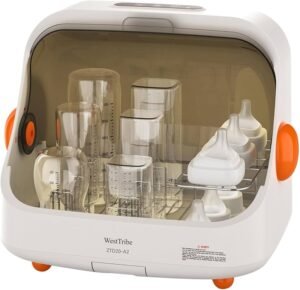
5. UV Sterilizers
UV sterilizers use ultraviolet light to kill bacteria.
- Place cleaned bottles inside
- Start the UV cycle
- Bottles are ready in minutes
UV sterilizers are modern, efficient, and help keep bottles dry.
How Often Should You Sterilize Baby Bottles?
For newborns, sterilize bottles after every use. As your baby grows older and starts crawling and putting objects in their mouth, daily sterilization may be enough. Always consult your pediatrician if your baby has specific health concerns.
How to Store Sterilized Baby Bottles Safely
- Use bottles immediately after sterilization when possible
- Store in a clean, covered container
- Avoid touching the inside of bottles and nipples
- Re-sterilize if bottles are left unused for more than 24 hours
Proper storage prevents recontamination.
Common Mistakes Parents Make While Sterilizing Bottles
- Skipping proper washing before sterilization
- Touching sterilized items with unclean hands
- Overcrowding bottles in sterilizers
- Using harsh detergents
- Ignoring manufacturer guidelines
Avoiding these mistakes ensures effective sterilization.
Is Sterilization Still Needed After 1 Year?
After one year, most babies have stronger immune systems. Thorough washing with hot water and soap is usually sufficient. However, sterilization is still recommended during illness or travel.
Sterilizing baby bottles becomes even more important in households where multiple caregivers handle feeding equipment. Maintaining a consistent sterilization routine helps reduce the spread of germs and ensures every feeding is safe. Parents should also pay attention to bottle materials, as glass, plastic, and silicone bottles may have different heat tolerance levels. Always check manufacturer instructions before sterilizing to avoid damage.
During travel or outdoor trips, portable sterilization options such as microwave steam bags or chemical sterilizing tablets are extremely helpful. These methods provide convenience while maintaining hygiene standards. As babies grow and start teething, they often chew on bottle nipples, increasing the risk of bacteria buildup. Regular inspection and timely replacement of nipples help maintain cleanliness. Remember that sterilization works best when combined with proper hand hygiene and clean storage practices. Making bottle sterilization part of your daily baby care routine builds a healthier feeding environment and gives parents confidence that their baby is protected from unnecessary infections.
Safety Tips for Sterilizing Baby Bottles
- Always allow bottles to cool before use
- Check nipples for wear or damage
- Replace old or cracked bottles
- Follow safety instructions for electrical devices
Final Thoughts
Sterilizing baby bottles properly is a simple yet essential step in ensuring your baby’s health and safety. Whether you choose boiling, steam, UV, or chemical methods, consistency and cleanliness are key. By following the correct sterilization process, you reduce the risk of infections and give your baby a safe feeding experience. Make bottle sterilization a daily habit, especially during your baby’s early months, to support healthy growth and peace of mind for parents.