
First Foods for Baby: What to Start and What to Avoid
Introducing solid foods to your baby is an exciting milestone for parents. After months of exclusive milk feeding, your baby is ready to explore new tastes and textures. Choosing the right first foods and knowing which foods to avoid is essential for healthy growth, digestion, and long-term eating habits. This guide explains when to start solids, the best first foods for babies, and foods to avoid during early weaning.
Introducing first foods is not a race but a gradual learning process for your baby. Every child develops at their own pace, so flexibility is important. Celebrate small progress, maintain a relaxed mealtime atmosphere, and consult your pediatrician whenever you have concerns about your baby’s feeding journey.
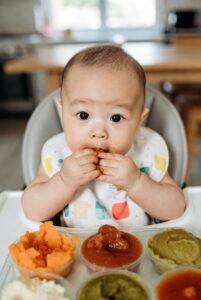
When Should You Start Solid Foods for Your Baby?
Most babies are ready for solid foods around 6 months of age. Until then, breast milk or formula provides all the nutrition they need. Signs that your baby is ready for solids include:
- Sitting with minimal support
- Good head and neck control
- Showing interest in food
- Loss of tongue-thrust reflex
- Ability to swallow soft food
Starting solids too early can cause digestive issues, while delaying them may affect nutrient intake.
Why Choosing the Right First Foods Matters
First foods help babies learn how to chew, swallow, and enjoy different flavors. Nutritious foods support brain development, strong immunity, and Healthy weight gain. Simple, single-ingredient foods reduce the risk of allergies and help parents identify food sensitivities easily.
Best First Foods to Start for Your Baby
1. Iron-Rich Foods
Iron is essential for brain development, especially after 6 months.
- Mashed lentils (dal water)
- Iron-fortified baby cereals
- Mashed beans
These foods help prevent iron deficiency anemia.
2. Vegetables (Soft and Mashed)
Vegetables are rich in vitamins and fiber.
- Carrot
- Pumpkin
- Sweet potato
- Bottle gourd
Steam and mash vegetables until smooth.
3. Fruits (Naturally Sweet)
Fruits provide vitamins and natural sweetness.
- Banana
- Apple (steamed and mashed)
- Pear
- Papaya
Avoid adding sugar to fruit purees.
4. Grains and Cereals
Grains provide energy and support digestion.
- Rice porridge
- Ragi porridge
- Oats (finely powdered and cooked)
Choose homemade options whenever possible.
5. Protein-Rich Foods
Protein supports growth and muscle development.
- Well-cooked and mashed lentils
- Curd (plain, unsweetened)
- Paneer (soft and mashed)
Introduce one protein food at a time.
How to Introduce First Foods Safely
- Start with small quantities (1–2 teaspoons)
- Introduce one new food every 3 days
- Observe for allergies like rash or vomiting
- Feed when the baby is alert and happy
Patience is key during early feeding.
Best Textures for Baby’s First Foods
At 6 months, foods should be smooth and runny. As your baby grows:
- 6–7 months: Purees and mashed foods
- 8–9 months: Soft lumps and finger foods
- 10–12 months: Family foods (soft and chopped)
Gradual texture progression prevents feeding difficulties.
Foods to Avoid as First Foods for Baby
1. Honey
Honey may contain bacteria that can cause infant botulism. Avoid until after 1 year.
2. Cow’s Milk as a Drink
Cow’s milk is hard to digest for babies under 1 year. It can be used in small amounts in cooking after 9 months.
3. Salt and Sugar
Babies’ kidneys cannot handle excess salt, and sugar can cause poor eating habits and tooth decay.
4. Choking Hazards
Avoid foods like:
- Nuts
- Grapes
- Popcorn
- Raw carrots
Always serve foods in mashed or soft forms.
5. Processed and Junk Foods
Packaged snacks, biscuits, and fried foods lack nutrients and should be avoided.
Common Food Allergens: When to Introduce
Common allergens include eggs, peanuts, dairy, wheat, and soy. Introduce them one at a time in small amounts after 6 months. Early introduction may help reduce allergy risk. Consult a pediatrician if allergies run in the family.
Sample First Foods Schedule (6–8 Months)
Morning: Breast milk or formula
Mid-Morning: Fruit puree
Lunch: Vegetable mash or cereal
Evening: Breast milk or formula
Dinner: Light porridge or dal water
Adjust based on baby’s appetite.
Signs Your Baby Is Not Ready for a Certain Food
- Gagging frequently
- Vomiting or diarrhea
- Skin rashes
- Fussiness after eating
Stop the food and consult your doctor if symptoms persist.
Tips for Successful Baby Weaning
- Offer food after milk feeding initially
- Maintain a calm feeding environment
- Do not force-feed
- Encourage self-feeding gradually
Positive experiences build healthy eating habits.
As your baby becomes more comfortable with solid foods, variety plays an important role in meeting nutritional needs and developing taste preferences. Rotating fruits, vegetables, grains, and proteins ensures balanced nutrient intake and reduces picky eating later in childhood. Homemade foods are generally safer and healthier than store-bought options, as they allow you to control ingredients, texture, and freshness. Always prepare baby food in a hygienic environment and use fresh produce whenever possible.
Responsive feeding is another key aspect of successful weaning. Pay attention to your baby’s hunger and fullness cues, such as opening the mouth eagerly or turning the head away when full. Forcing a baby to eat can create negative associations with food. Encourage exploration by allowing your baby to touch and play with food, as this supports sensory development. Offering water in a small sippy cup after meals helps develop drinking skills. Consistency, patience, and a positive feeding routine help babies gradually transition from milk to solid foods while building a healthy relationship with food.
Common Myths About First Foods
- Myth: Babies need teeth to eat solids
Fact: Gums can mash soft foods - Myth: Rice cereal is the only first food
Fact: Many healthy options exist
Final Thoughts
Choosing the right first foods for your baby lays the foundation for lifelong healthy eating. Starting with simple, nutritious foods and avoiding harmful or unsafe items ensures smooth digestion and proper growth. Every baby is different, so move at your baby’s pace and enjoy this special feeding journey together.