
Foods That Help Relieve Baby Constipation: A Complete Parent’s Guide
Meta Description
Discover the best foods that help relieve Baby constipation naturally. Learn age-appropriate fruits, vegetables, grains, and feeding tips to improve digestion and keep your baby comfortable.
Constipation is a common digestive issue in babies, especially during the transition from breast milk to solid foods. When a baby has hard, dry stools or struggles during bowel movements, it can cause discomfort and worry for parents. Thankfully, the right foods can play a major role in relieving baby constipation naturally and safely.
In this guide, we will explore foods that help relieve baby constipation, explain why constipation happens, and share practical feeding tips to support healthy digestion.
What Is Constipation in Babies?
Constipation in babies refers to difficulty passing stools or having infrequent, hard bowel movements. It is important to note that bowel movement frequency can vary depending on age and diet. Some babies may pass stools several times a day, while others may go once every few days.
Common signs of constipation include:
- Hard or pebble-like stools
- Straining or crying during bowel movements
- Bloated or firm tummy
- Reduced appetite
- Fussiness or discomfort
Understanding the cause helps parents choose the right dietary solutions.
Common Causes of Baby Constipation
Several factors can contribute to constipation in babies, including:
- Introduction of solid foods
- Low fiber intake
- Insufficient fluids
- Formula feeding or changes in formula
- Excess intake of constipating foods
- Lack of movement in older babies
Dietary changes are often the safest and most effective way to relieve constipation.
When Can Babies Eat Constipation-Relief Foods?
Constipation-relief foods are suitable once babies start solids, usually around 6 months of age. For babies younger than six months, Breast milk or formula generally provides adequate nutrition, and constipation should be discussed with a pediatrician.
Always introduce new foods gradually and watch for any allergic reactions.
Best Fruits That Help Relieve Baby Constipation
Fruits are rich in fiber and natural sugars that soften stools and promote bowel movements.
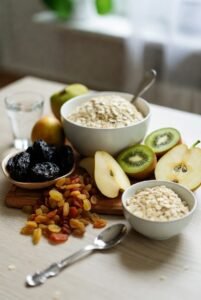
1. Prunes
Prunes are one of the most effective foods for relieving constipation.
- Rich in fiber and sorbitol
- Helps soften stools naturally
- Can be given as puree or diluted juice (for older babies)
2. Pears
Pears contain high water content and gentle fiber.
- Easy to digest
- Helps regulate bowel movements
- Best served steamed and mashed
3. Apples (With Skin for Older Babies)
Apples provide soluble fiber.
- Applesauce is gentle on the stomach
- Avoid apple juice, as it may worsen constipation
4. Peaches
Peaches support digestion and stool movement.
- Naturally hydrating
- Suitable as mashed or pureed fruit
5. Plums
Plums are similar to prunes but milder.
- Good source of fiber
- Helps improve gut movement
Vegetables That Help Ease Baby Constipation
Vegetables provide fiber, water, and essential nutrients that support digestion.
6. Sweet Potatoes
Sweet potatoes are gentle and fiber-rich.
- Promote healthy digestion
- Easy to mash and mix with other foods
7. Pumpkin
Pumpkin helps soften stools.
- Contains soluble fiber
- Often recommended for digestive issues
8. Spinach
Spinach supports bowel movement in older babies.
- High in fiber and magnesium
- Should be cooked and finely pureed
9. Broccoli
Broccoli contains both fiber and water.
- Helps stimulate bowel movements
- Best steamed and mashed
Whole Grains That Support Baby Digestion
Switching from refined grains to whole grains can reduce constipation.
10. Oats
Oats are easier to digest than rice cereal.
- High in soluble fiber
- Promotes softer stools
11. Barley
Barley helps regulate digestion.
- Supports gut health
- Can be used as porridge
12. Brown Rice (In Moderation)
Brown rice offers more fiber than white rice.
- Introduce slowly
- Avoid excessive intake
Fiber-Rich Foods for Older Babies (8–12 Months)
As babies grow, they can handle a wider variety of foods.
13. Lentils (Dal)
Lentils support digestion and bowel regularity.
- Rich in fiber and protein
- Must be well cooked and mashed
14. Chickpeas
Chickpeas promote gut movement.
- Introduce in small quantities
- Mash or puree thoroughly
15. Beans
Beans add bulk to stools.
- Good for older babies
- Soak and cook properly before feeding
Fluids That Help Relieve Baby Constipation
Hydration is just as important as fiber.
Water
- Offer small sips of water after meals
- Helps soften stools
Breast Milk
- Continues to support digestion
- Helps prevent dehydration
Diluted Fruit Juice (Occasionally)
- Prune or pear juice for babies over 6 months
- Use sparingly and diluted
Avoid sugary drinks and packaged juices.
Foods to Limit When Baby Is Constipated
Certain foods may worsen constipation and should be reduced.
- Bananas (unripe)
- White rice
- Refined cereals
- Cheese and dairy (in excess)
- Processed baby foods
Balance is key to maintaining healthy digestion.
Tips to Prevent Constipation in Babies
Preventing constipation is easier than treating it.
- Introduce fiber gradually
- Offer age-appropriate fluids
- Encourage movement and tummy time
- Maintain a regular feeding schedule
- Avoid sudden dietary changes
Consistency helps build a healthy digestive system.
When to See a Doctor
While diet helps most cases, consult a pediatrician if:
- Constipation lasts more than a week
- Baby shows blood in stools
- Baby refuses to eat
- Severe pain or vomiting occurs
Medical guidance ensures safety and proper treatment.
Including fiber-rich fruits, vegetables, and whole grains in your baby’s diet helps soften stools and improve digestion. Pair these foods with adequate fluids to prevent constipation and support your baby’s gut health naturally.
Final Thoughts
Choosing the right foods that help relieve baby constipation can make a significant difference in your baby’s comfort and digestive health. Fiber-rich fruits, vegetables, whole grains, and proper hydration work together to promote regular bowel movements naturally.
Every baby is different, so introduce foods slowly and observe how your baby responds. With patience, balanced nutrition, and gentle care, most constipation issues can be managed effectively at home.