
Best Finger Foods for Babies (6–12 Months)
Healthy, Safe, and Easy Options for Self-Feeding
Introduction
Introducing finger foods is an exciting milestone in your baby’s feeding journey. Between 6 and 12 months, babies begin to develop better hand-eye coordination, chewing skills, and curiosity about food. Finger foods encourage self-feeding, improve motor skills, and help babies explore different textures and tastes.
However, not all foods are suitable as finger foods. The best finger foods for babies should be soft, easy to hold, nutritious, and safe to swallow. This guide covers age-appropriate finger food ideas, safety tips, and foods to avoid, helping parents confidently support their baby’s transition to solid foods.
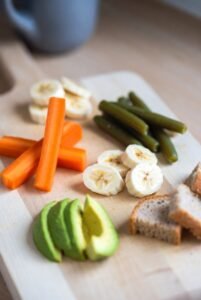
When Are Babies Ready for Finger Foods?
Most babies are ready for finger foods around 6 months of age, though readiness matters more than age. Signs your baby may be ready include:
- Sitting with minimal support
- Bringing objects to the mouth
- Showing interest in food
- Ability to grasp food with fingers
- Reduced tongue-thrust reflex
Once these signs appear, you can gradually introduce soft finger foods alongside purees.
Benefits of Finger Foods for Babies
Finger foods offer more than just nutrition. Key benefits include:
- Encouraging independence and self-feeding
- Improving hand-eye coordination and fine motor skills
- Supporting chewing and jaw development
- Reducing picky eating later
- Helping babies recognize hunger and fullness cues
Allowing babies to explore food at their own pace builds a healthy relationship with eating.
Safety Tips Before Introducing Finger Foods
Safety is essential when offering finger foods to babies:
- Always supervise your baby while eating
- Offer foods that are soft and easily mashable
- Cut foods into small, stick-shaped pieces
- Avoid hard, round, or sticky foods
- Ensure your baby sits upright while eating
Following these tips minimizes choking risks.
Best Finger Foods for Babies (6–12 Months)
Soft Fruits for Babies
Fruits are naturally sweet, nutritious, and easy to prepare.
Best options include:
- Ripe banana slices
- Steamed apple pieces
- Soft pear cubes
- Ripe mango strips
- Steamed peaches
Fruits should be ripe, peeled, and cut into baby-friendly shapes.
Vegetable Finger Foods
Vegetables provide essential vitamins, minerals, and fiber.
Safe vegetable options:
- Steamed carrot sticks
- Soft sweet potato cubes
- Boiled pumpkin pieces
- Steamed zucchini
- Soft broccoli florets
Vegetables should be cooked until soft enough to mash with gentle pressure.
Cooked Grains and Cereal Foods
Grains are a good source of energy and nutrients.
Finger-friendly grain foods include:
- Soft rice balls
- Cooked pasta spirals
- Oatmeal fingers (baked)
- Soft chapati strips
- Quinoa patties
Avoid adding salt or sugar to grain-based foods.
Protein-Rich Finger Foods
Protein supports growth, muscle development, and overall health.
Best protein options:
- Well-cooked egg strips (after allergy guidance)
- Soft paneer cubes
- Mashed lentil patties
- Shredded, well-cooked chicken
- Soft fish flakes (boneless)
Introduce one protein at a time to watch for allergies.
Dairy-Based Finger Foods
Dairy provides calcium and healthy fats when introduced correctly.
Suitable dairy finger foods:
- Paneer fingers
- Unsalted cheese slices
- Thick homemade curd scoops
Avoid cow’s milk as a drink before one year, but small amounts in food are generally acceptable.
Homemade Baby Snacks
Homemade snacks are healthier than packaged foods.
Easy homemade finger foods:
- Vegetable cutlets (baked)
- Banana pancakes (egg-free or egg-based)
- Steamed idli pieces
- Soft dhokla cubes
Homemade snacks allow better control over ingredients and texture.
Finger Foods by Age Group
6–7 Months
- Very soft fruits and vegetables
- Steamed carrot or pumpkin
- Banana slices
- Soft rice balls
At this stage, babies are still learning to chew.
8–9 Months
- Soft pasta
- Paneer cubes
- Egg strips
- Vegetable patties
Babies begin developing a pincer grasp and improved chewing.
10–12 Months
- Soft family foods with less spice
- Small chapati strips
- Cooked vegetables
- Soft meat or fish
Babies can manage more textures and combinations.
Foods to Avoid as Finger Foods
Certain foods pose choking or health risks and should be avoided:
- Whole nuts and peanuts
- Grapes (unless cut lengthwise)
- Popcorn
- Hard raw vegetables
- Sticky foods like nut butter chunks
- Foods with added salt or sugar
Always prioritize safety over variety.
How to Introduce Finger Foods Successfully
Start with one or two options per meal. Let your baby touch, squish, and explore food. Expect mess—this is part of learning. Avoid forcing your baby to eat, and respect hunger cues.
Offer water in a small cup after meals (after 6 months) to help with swallowing and hydration.
Common Parent Concerns About Finger Foods
Is gagging normal?
Yes. Gagging is part of learning to eat and is different from choking.
What if my baby eats very little?
At this age, breast milk or formula remains the main nutrition source.
Should I stop purees?
No. Finger foods and purees can be offered together.
Conclusion
Finger foods play an essential role in your baby’s development between 6 and 12 months. Choosing soft, nutritious, and age-appropriate finger foods helps babies learn to eat independently while supporting Healthy growth. With patience, supervision, and safe food choices, mealtimes can become enjoyable learning experiences for both parents and babies.
Introducing finger foods is not about quantity but exploration. By offering a variety of textures and flavors, you help your baby build lifelong healthy eating habits.
Finger foods also help babies develop confidence and curiosity around eating. Allowing your baby to self-feed encourages independence and improves coordination between hands and mouth. Some babies may initially play with food more than they eat, which is completely normal and part of the learning process. Keep offering a variety of textures and colors to maintain interest and ensure balanced nutrition. Avoid rushing mealtimes, and eat together as a family when possible, as babies learn by observing others. Consistent exposure to healthy finger foods during this stage can reduce picky eating and support smoother transitions to family meals after one year.