
Positive Parenting Tips for Toddlers: A Practical Guide for Happy Growing Years
Parenting a toddler is both joyful and challenging. Between sudden tantrums, constant curiosity, and growing independence, many parents feel unsure about the best way to guide their child’s behavior. This is where positive parenting plays a powerful role. Positive parenting focuses on connection, communication, and guidance rather than punishment, helping toddlers feel safe, loved, and understood.
This guide shares practical positive Conscious parenting tips for toddlers that encourage good behavior, emotional development, and a strong parent-child bond.
What Is Positive Parenting?
Positive parenting is an approach that emphasizes respect, empathy, and consistency. Instead of controlling a child through fear or punishment, it teaches toddlers appropriate behavior through understanding, encouragement, and clear boundaries.
The goal of positive parenting is not to create perfect behavior but to raise emotionally secure children who learn self-control, problem-solving skills, and confidence.
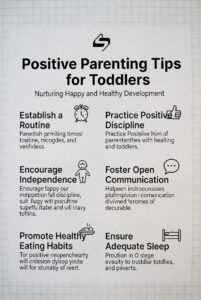
Why Positive Parenting Is Important for Toddlers
Toddlers are learning how to express emotions, communicate needs, and interact with the world. At this stage, their brains are still developing, which is why tantrums and impulsive behavior are common.
Positive parenting helps toddlers by:
- Building emotional security
- Teaching healthy ways to express feelings
- Improving communication skills
- Reducing power struggles
- Strengthening parent-child relationships
Children raised with positive parenting often grow into confident, empathetic, and resilient individuals.
Understand Toddler Behavior First
Before correcting behavior, it’s important to understand why toddlers act the way they do. Toddlers are not being “difficult” on purpose. Most challenging behaviors happen because they feel tired, hungry, frustrated, or overwhelmed.
Common toddler behaviors include:
- Tantrums due to limited language skills
- Saying “no” to assert independence
- Testing boundaries
- Emotional outbursts when routines change
Understanding these behaviors helps parents respond calmly instead of reacting with anger.
Build a Strong Emotional Connection
A strong emotional bond forms the foundation of positive parenting. When toddlers feel connected to their parents, they are more likely to cooperate and listen.
Ways to build connection include:
- Spending quality one-on-one time daily
- Giving hugs, cuddles, and physical reassurance
- Listening attentively when your toddler tries to communicate
- Making eye contact while talking
Even a few minutes of focused attention can make a big difference in your toddler’s behavior.
Use Clear and Simple Communication
Toddlers understand simple language better than long explanations. Clear communication reduces confusion and frustration.
Positive communication tips:
- Use short, simple sentences
- Get down to your toddler’s eye level
- Say what you want them to do instead of what not to do
- Use a calm and firm tone
For example, say “Please walk inside” instead of “Don’t run.”
Set Consistent and Loving Boundaries
Boundaries help toddlers feel safe. When rules are clear and consistent, children know what to expect.
How to set healthy boundaries:
- Keep rules simple and age-appropriate
- Be consistent with expectations
- Follow through calmly when rules are broken
- Avoid changing rules frequently
Consistency builds trust and helps toddlers learn self-discipline over time.
Encourage Positive Behavior with Praise
Positive reinforcement is one of the most effective parenting tools. When toddlers are praised for good behavior, they are more likely to repeat it.
Effective praise includes:
- Being specific (“You shared your toy nicely”)
- Praising effort, not just results
- Encouraging small improvements
Avoid overpraising, but make sure your child feels appreciated for their efforts.
Handle Toddler Tantrums Calmly
Tantrums are a normal part of toddler development. They often happen when children feel frustrated or unable to express emotions.
Tips to manage tantrums positively:
- Stay calm and patient
- Acknowledge your toddler’s feelings
- Avoid yelling or threatening
- Give comfort after the tantrum passes
Teaching toddlers how to name and manage emotions helps reduce tantrums over time.
Teach Emotional Intelligence Early
Helping toddlers understand emotions is a key part of positive parenting. Emotional intelligence allows children to express feelings in healthy ways.
Ways to teach emotions:
- Name emotions during daily situations
- Read books about feelings
- Model calm behavior during stress
- Encourage toddlers to express feelings with words
Over time, toddlers learn that emotions are normal and manageable.
Create a Predictable Daily Routine
Toddlers thrive on routine. Predictable schedules make them feel secure and reduce behavioral issues.
A good routine includes:
- Regular meal times
- Consistent nap and bedtime schedules
- Time for play, learning, and rest
When toddlers know what comes next, they are less likely to resist transitions.
Offer Choices to Encourage Independence
Toddlers want to feel in control. Offering limited choices allows independence while keeping boundaries intact.
Examples include:
- “Do you want the red cup or blue cup?”
- “Would you like to read a book or play with blocks?”
Choices reduce power struggles and help toddlers feel respected.
Model the Behavior You Want to See
Toddlers learn by watching their parents. Your actions influence their behavior more than words.
Model positive behavior by:
- Speaking kindly and respectfully
- Managing anger calmly
- Showing empathy toward others
- Practicing patience
Children naturally imitate what they observe at home.
Avoid Harsh Punishment
Harsh punishment can damage trust and emotional security. It may stop behavior temporarily but does not teach long-term lessons.
Instead of punishment, try:
- Natural consequences
- Redirection to safer activities
- Calm discussions after behavior
Positive discipline focuses on teaching rather than controlling.
Practice Patience and Self-Care as a Parent
Positive parenting starts with the parent’s well-being. Parenting a toddler is demanding, and burnout can lead to frustration.
Helpful self-care tips:
- Take breaks when possible
- Ask for help when needed
- Practice deep breathing during stressful moments
- Remind yourself that learning takes time
A calm parent creates a calm environment.
Final Thoughts
Positive parenting tips for toddlers focus on guidance, connection, and understanding rather than control. By building emotional bonds, setting consistent boundaries, and responding with empathy, parents can raise confident and emotionally healthy children. Toddlers are learning every day, and patience combined with positive parenting helps them grow into kind, responsible individuals.
Remember, progress matters more than perfection. Every positive interaction builds a stronger future for your child.