
Foods That Cause Constipation in Babies: What Parents Need to Know
Constipation is a common concern among babies, especially during the transition from milk to solid foods. Many parents worry when their baby strains during bowel movements, passes hard stools, or goes several days without pooping. While occasional constipation is normal, diet often plays a major role in causing or relieving this issue.
Understanding foods that cause constipation in babies can help parents make better feeding choices and support healthy digestion. This article explains which foods may lead to constipation, why it happens, and how to prevent it safely.
What Is Constipation in Babies?
Constipation in babies is not just about how often they poop. A baby may be constipated if:
- Stools are hard, dry, or pellet-like
- Baby strains or cries while passing stool
- Bowel movements are infrequent and uncomfortable
- Baby shows signs of tummy discomfort
Constipation is more common after starting solid foods, during formula feeding, or when fluid intake is low.
Why Food Choices Matter for Baby Digestion
A baby’s digestive system is still developing, especially in the first year. Some Baby foods are harder to digest, low in fiber, or binding in nature. When these foods are introduced too early or in excess, they can slow bowel movements and cause constipation.
Balancing constipating foods with fiber-rich fruits, vegetables, and enough fluids is essential for smooth digestion.
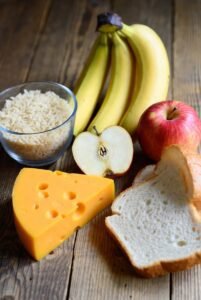
Foods That Commonly Cause Constipation in Babies
1. Rice Cereal
Rice cereal is often one of the first solid foods introduced to babies. However, it is low in fiber and highly binding.
Excess rice cereal may:
- Slow bowel movements
- Cause hard stools
- Lead to straining
If constipation occurs, parents can switch to oatmeal or multigrain cereal instead.
2. Bananas (Unripe)
Bananas are nutritious, but unripe or semi-ripe bananas contain high amounts of starch, which can cause constipation.
Unripe bananas may:
- Slow digestion
- Make stools firm
Ripe bananas with brown spots are easier to digest and less constipating.
3. Applesauce
Apples are healthy, but applesauce is low in fiber compared to whole apples or apple puree with skin.
Applesauce may:
- Firm up stools
- Reduce bowel movement frequency
Steamed apple puree with skin (blended) is a better option for preventing constipation.
4. Cheese and Dairy Products
Cheese, paneer, and other dairy products can be constipating for some babies, especially if introduced early or consumed frequently.
Dairy may:
- Slow gut movement
- Cause hard stools
Limit cheese intake and balance it with fiber-rich foods.
5. White Bread and Refined Grains
Refined foods such as white bread, white pasta, and biscuits lack fiber and can contribute to constipation.
These foods:
- Provide little digestive support
- Slow bowel movements
Whole grains are a better choice for babies who have started finger foods.
6. Formula Milk (In Some Babies)
Formula milk can sometimes cause constipation, especially if:
- Mixed incorrectly
- Baby is sensitive to certain proteins
- Water intake is insufficient
Not all formula-fed babies become constipated, but changes in stool consistency are common.
7. Carrots (Cooked and Mashed)
Cooked carrots are low in fiber and have binding properties.
Excess carrots may:
- Firm stools
- Reduce stool frequency
Offer carrots in moderation and pair them with fiber-rich vegetables.
8. Potatoes
Potatoes, especially mashed or boiled without skin, can be heavy on digestion.
They may:
- Slow digestion
- Cause firmer stools
Including the skin (when age-appropriate) or combining with vegetables can help.
9. Yogurt (In Excess)
Yogurt is beneficial for gut health, but too much can cause constipation in some babies.
This happens when:
- Yogurt replaces fiber-rich foods
- Baby consumes excess dairy
Moderation is key.
10. Eggs
Eggs are rich in protein but contain no fiber.
Too many eggs may:
- Slow bowel movements
- Lead to constipation
Pair eggs with vegetables or fruits to support digestion.
Foods That Can Worsen Constipation If Overused
Some foods are not strictly constipating but can worsen the condition when consumed in excess:
- Biscuits and processed snacks
- Sugary foods
- Fried or oily foods
- Low-fiber packaged baby foods
These foods should be limited, especially in babies under one year.
Signs Your Baby’s Constipation Is Food-Related
Food-related constipation often shows up when:
- New solid foods are introduced
- Diet lacks fruits and vegetables
- Baby drinks less water
- Too much binding food is given
Tracking your baby’s meals can help identify triggers.
How to Prevent Constipation Through Diet
Offer Fiber-Rich Foods
Include foods like:
- Pears
- Prunes
- Papaya
- Peaches
- Spinach
- Pumpkin
These help soften stools naturally.
Ensure Adequate Fluid Intake
For babies above 6 months:
- Offer small sips of water
- Continue breast milk or formula
Fluids help move stool through the intestines.
Balance Constipating Foods
Constipating foods do not need to be eliminated completely. Instead:
- Serve them in moderation
- Combine with fiber-rich foods
This maintains nutritional balance.
When to See a Doctor
Consult a pediatrician if:
- Constipation lasts more than a week
- Baby passes blood in stool
- Baby shows severe discomfort
- Home dietary changes don’t help
Medical guidance ensures there is no underlying issue.
Common Myths About Baby Constipation
- Myth: Babies must poop daily
Fact: Frequency varies; comfort matters more than number.* - Myth: All bananas cause constipation
Fact: Only unripe bananas are binding.* - Myth: Formula always causes constipation
Fact: Many babies tolerate formula well.*
Final Thoughts on Foods That Cause Constipation in Babies
Constipation in babies is often linked to dietary changes and specific foods. By understanding which foods are more likely to cause constipation and balancing them with fiber-rich options, parents can support healthy digestion and comfortable bowel movements.
Every baby reacts differently to food, so observing your baby’s response and making gentle adjustments is the best approach. With the right diet and hydration, most cases of baby constipation can be managed naturally and safely.
Constipation caused by food is usually temporary and improves with simple dietary changes. Introducing fiber-rich fruits, vegetables, and enough fluids helps maintain regular and comfortable bowel movements in babies.