
Foods to Avoid for Babies Under One Year
Introduction
The first year of a baby’s life is a crucial period for growth and development. During this time, a baby’s digestive system, immune system, and kidneys are still maturing. While introducing solid foods is an exciting milestone, not all foods are safe for babies under one year. Some foods may cause choking, allergies, digestive issues, or serious infections.
Understanding which foods to avoid for babies under one year helps parents make informed feeding choices and protects babies from preventable health risks. This guide explains unsafe foods, the reasons behind avoiding them, and safe alternatives to support healthy development.
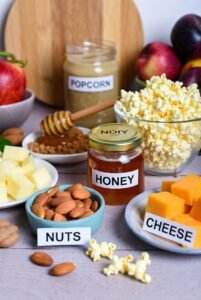
Why Certain Foods Are Unsafe for Babies Under One Year
Babies have small airways, immature digestive systems, and underdeveloped immune defenses. Some foods can:
- Increase the risk of choking
- Overload the kidneys with excess salt or sugar
- Cause allergic reactions
- Carry harmful bacteria
- Irritate the stomach and intestines
Avoiding unsafe foods ensures proper nutrition without unnecessary risks.
Honey and Honey-Containing Foods
Honey should never be given to babies under one year. It may contain spores of Clostridium botulinum, which can cause infant botulism—a rare but serious illness affecting the nervous system.
Foods to watch for:
- Raw honey
- Honey mixed with warm water
- Honey-based syrups
- Packaged foods containing honey
Safe alternative: Mashed fruits like banana, apple puree, or pear puree for natural sweetness.
Cow’s Milk as a Main Drink
Cow’s milk is not suitable as a main drink for babies under one year. It is difficult to digest and may irritate the baby’s stomach lining. It also lacks essential nutrients like iron and can strain developing kidneys.
Avoid:
- Plain cow’s milk
- Buffalo milk
- Goat milk as a drink
Safe alternative: Breast milk or infant formula until the first birthday. Small amounts of cow’s milk may be used in cooking after 6–8 months if advised by a pediatrician.
Added Sugar and Sugary Foods
Babies do not need added sugar. Sugary foods increase the risk of tooth decay, obesity, and unhealthy eating habits later in life.
Foods to avoid:
- Sugar
- Jaggery
- Brown sugar
- Sweets and desserts
- Sweetened cereals
- Biscuits and cakes
Safe alternative: Naturally sweet foods such as mashed dates (seed removed), ripe mango, or steamed apple.
Salt and Salty Foods
Babies’ kidneys cannot handle excess salt. Too much sodium can lead to dehydration and kidney problems.
Avoid feeding:
- Added salt
- Chips
- Namkeen snacks
- Pickles
- Processed foods
- Canned soups
Safe alternative: Season baby food with herbs or mild spices like cumin or coriander powder in very small amounts after 8 months.
Choking Hazard Foods
Babies under one year do not have fully developed chewing and swallowing skills. Certain foods can easily block the airway.
High-risk foods include:
- Whole grapes
- Nuts and peanuts
- Popcorn
- Raw carrot sticks
- Apple chunks
- Hard candies
Safe alternative: Finely mashed, grated, or steamed foods. Cut grapes into quarters lengthwise and grind nuts into a fine powder if introduced after consulting a pediatrician.
Unpasteurized and Raw Foods
Unpasteurized foods may contain harmful bacteria such as Listeria or Salmonella, which can be dangerous for babies.
Avoid:
- Unpasteurized milk
- Raw eggs
- Raw fish or seafood
- Undercooked meat
Safe alternative: Well-cooked eggs, fish, and meat introduced after 6–8 months in soft, mashed form.
Highly Processed and Packaged Foods
Packaged baby foods may seem convenient, but many contain hidden salt, sugar, preservatives, and artificial flavors.
Avoid giving:
- Packaged snacks
- Instant noodles
- Flavored chips
- Processed meats
Safe alternative: Fresh, homemade baby food prepared with clean ingredients.
Spicy and Fried Foods
Spicy and fried foods can irritate a baby’s sensitive stomach and cause acidity, gas, or diarrhea.
Avoid:
- Chili-based foods
- Fried snacks
- Oily gravies
- Street food
Safe alternative: Soft-cooked home meals with minimal oil and gentle spices.
Certain Fruits and Vegetables
Some fruits and vegetables can cause digestive discomfort or choking if not prepared properly.
Avoid or prepare carefully:
- Citrus fruits in excess
- Raw vegetables
- Pineapple and papaya in large quantities
Safe alternative: Steamed vegetables and mild fruits in small, well-mashed portions.
Artificial Sweeteners and Flavored Drinks
Artificial sweeteners and flavored drinks provide no nutritional benefit and may harm digestion.
Avoid:
- Soft drinks
- Packaged juices
- Flavored milk drinks
- Artificial sweeteners
Safe alternative: Plain water (after 6 months), breast milk, or formula.
When Can These Foods Be Introduced?
Most restricted foods can be gradually introduced after one year, once chewing skills and digestion improve. Introduce one new food at a time and watch for allergic reactions such as rashes, vomiting, or diarrhea.
It is also important to understand that every baby is different. Some babies may show sensitivity to certain foods earlier than others. Signs such as excessive gas, loose stools, skin rashes, vomiting, or unusual fussiness after eating may indicate that a food is not suitable yet. Keeping a simple food diary can help parents identify and avoid problem foods.
Home-cooked meals using fresh, seasonal ingredients are always the safest choice for babies under one year. Steaming, boiling, or pressure-cooking foods ensures they are soft, easy to digest, and free from harmful bacteria. Avoid reheating food multiple times, as it may reduce nutritional value and increase the risk of contamination.
As your baby approaches their first birthday, you can gradually prepare them for family foods by reducing spice levels, oil, and salt in shared meals. This smooth transition helps babies accept a wider variety of textures and flavors after one year. Always consult your pediatrician if you are unsure about introducing any specific food.
Tips for Safe Feeding Under One Year
- Always supervise your baby while eating
- Introduce new foods slowly
- Maintain hygiene during food preparation
- Choose homemade foods whenever possible
- Consult a pediatrician before introducing allergenic foods
Conclusion
Feeding babies under one year requires careful planning and informed choices. Avoiding unsafe foods like honey, cow’s milk, sugar, salt, and choking hazards protects your baby’s health and supports healthy growth. By choosing safe, nutritious alternatives and following age-appropriate feeding practices, parents can build a strong foundation for lifelong healthy eating habits.