
Iron-Rich Foods for Babies: A Complete Nutrition Guide for Healthy Growth
Iron is an essential nutrient for babies, playing a crucial role in brain development, oxygen transport, and overall growth. As babies grow rapidly during their first year, their iron needs increase, especially after six months of age. Including iron-rich foods for babies in their daily diet helps prevent iron deficiency and supports healthy development.
This guide explains why iron is important, when babies need it, and the best iron-rich foods to include in your baby’s meals.
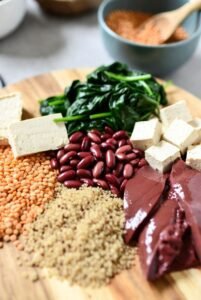
Why Is Iron Important for Babies?
Iron helps the body produce hemoglobin, a protein in red blood cells that carries oxygen throughout the body. Adequate iron intake supports:
- Brain development and cognitive skills
- Healthy growth and weight gain
- Strong immune function
- Energy and alertness
Iron deficiency in babies can lead to anemia, delayed development, fatigue, and poor appetite.
When Do Babies Need Iron-Rich Foods?
Babies are born with iron stores passed from their mother during pregnancy. These stores usually last until around 6 months of age. After that, breast milk alone may not provide enough iron, making it important to introduce iron-rich complementary foods.
Iron-rich foods should be introduced:
- From 6 months onwards
- Along with Breast milk or formula
- In age-appropriate textures
Types of Iron: Heme and Non-Heme Iron
Understanding iron types helps parents choose the right foods.
Heme Iron
- Found in animal-based foods
- Easily absorbed by the body
Non-Heme Iron
- Found in plant-based foods
- Absorption improves when paired with vitamin C
Both types are important for a balanced diet.
Best Iron-Rich Foods for Babies
1. Iron-Fortified Cereals
Iron-fortified baby cereals are often the first solid food.
- Easy to digest
- High iron content
- Mix with breast milk or formula
These cereals are a reliable source of iron for babies starting solids.
Animal-Based Iron-Rich Foods
2. Egg Yolk
Egg yolk is rich in iron and healthy fats.
- Introduce after 6–8 months
- Offer well-cooked and mashed
3. Chicken
Chicken provides easily absorbed heme iron.
- Softly cooked and finely shredded
- Suitable for older babies
4. Fish
Fish supports iron intake and brain development.
- Choose boneless, well-cooked fish
- Introduce after checking for allergies
Plant-Based Iron-Rich Foods for Babies
5. Lentils (Dal)
Lentils are an excellent vegetarian iron source.
- Rich in iron and protein
- Must be well cooked and mashed
6. Chickpeas
Chickpeas support iron intake and digestion.
- Introduce in small amounts
- Mash thoroughly
7. Beans
Beans are iron-rich and filling.
- Suitable for babies over 8 months
- Cook until very soft
Iron-Rich Vegetables for Babies
8. Spinach
Spinach contains iron and essential nutrients.
- Steam and puree for easy digestion
- Combine with vitamin C foods
9. Broccoli
Broccoli provides iron and fiber.
- Supports digestion
- Best served steamed and mashed
10. Beetroot
Beetroot supports blood health.
- Mildly sweet and iron-rich
- Offer as cooked puree
Iron-Rich Fruits for Babies
While fruits contain non-heme iron, they also provide vitamin C, which helps absorption.
11. Apples (Cooked)
- Gentle on digestion
- Combine with iron-rich grains
12. Dates (Paste Form)
- High in iron and natural sugars
- Use in small quantities
13. Prunes
- Support digestion and iron intake
- Help prevent constipation
Whole Grains That Provide Iron
14. Oats
Oats are nutritious and iron-rich.
- Easy to digest
- Suitable as porridge
15. Quinoa
Quinoa provides iron and protein.
- Gluten-free grain
- Cook well before serving
How to Improve Iron Absorption in Babies
Some foods enhance iron absorption.
Pair Iron With Vitamin C
Vitamin C helps absorb non-heme iron.
- Orange
- Lemon
- Tomato
- Bell peppers
Avoid These During Iron Meals
- Tea or coffee (for caregivers)
- Excess calcium at the same meal
Signs of Iron Deficiency in Babies
Watch for these signs:
- Pale skin
- Fatigue or low energy
- Poor appetite
- Slow weight gain
- Frequent infections
If symptoms persist, consult a pediatrician.
Tips for Feeding Iron-Rich Foods to Babies
- Offer iron-rich foods daily
- Combine plant iron with vitamin C
- Use soft, mashed textures
- Introduce one food at a time
- Avoid force-feeding
Consistency is key to meeting iron needs.
Can Babies Get Too Much Iron?
Excess iron from supplements can be harmful. Always:
- Follow pediatrician guidance
- Avoid giving iron supplements without advice
- Rely on food sources when possible
Iron from foods is generally safe.
Ensuring adequate iron intake becomes increasingly important as babies transition from milk-only feeding to solid foods. Parents should aim to include at least one iron-rich food in every main meal. Variety plays a key role, as rotating different iron sources prevents nutrient gaps and keeps meals interesting for babies. Repeated exposure also helps babies accept new tastes and textures over time.
Homemade baby foods are an excellent way to control ingredients and maximize iron intake. Using iron-rich grains like oats or millets combined with vegetables and lentils creates balanced meals that support growth. Cooking in iron utensils may also slightly increase the iron content of foods, adding an extra nutritional benefit.
Parents should be patient if a baby initially rejects iron-rich foods, as it can take multiple attempts before acceptance. Signs of adequate iron intake include good energy levels, healthy skin tone, and steady weight gain. Regular pediatric check-ups help monitor iron levels and overall development.
For vegetarian families, combining plant-based iron sources with vitamin C–rich fruits is especially important to improve absorption. With consistent planning, age-appropriate textures, and a balanced approach, iron-rich foods can easily become part of a baby’s daily diet, supporting long-term health and cognitive development.
When to Consult a Pediatrician
Seek medical advice if:
- Baby refuses iron-rich foods
- Growth is slow
- Baby shows anemia symptoms
- You consider iron supplements
Professional guidance ensures safe nutrition.
Final Thoughts
Including iron-rich foods for babies is essential for healthy growth, brain development, and strong immunity. A balanced diet that includes iron-fortified cereals, lentils, vegetables, fruits, and animal-based foods helps meet your baby’s daily iron needs naturally.
Introduce iron-rich foods gradually, pair them with vitamin C, and monitor your baby’s response. With thoughtful feeding practices and regular monitoring, parents can confidently support their baby’s iron intake and overall development.