
Newborn Baby Hygiene Tips for New Parents: A Complete Guide
Bringing a newborn home is a joyful yet overwhelming experience. One of the most important responsibilities for new parents is maintaining proper hygiene for their baby. Since newborns have delicate skin and an immature immune system, good hygiene practices help prevent infections, rashes, and other health issues. This guide on newborn baby hygiene tips for new parents will help you confidently care for your baby’s cleanliness while keeping them comfortable and safe.
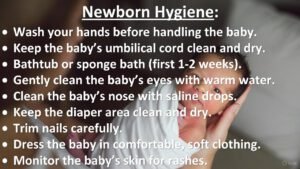
Why Is Hygiene Important for Newborn Babies?
Newborn babies are more vulnerable to germs because their immune systems are still developing. Proper hygiene reduces the risk of infections, skin irritations, and illnesses. Clean practices also promote healthy skin, improve comfort, and create a safe environment for your baby to grow.
Good hygiene doesn’t mean over-cleaning. The key is to maintain cleanliness while protecting your baby’s sensitive skin and natural oils.
Hand Hygiene: The First Step in Baby Care
One of the simplest yet most effective hygiene tips is handwashing.
- Always wash your hands before handling your baby
- Use soap and clean water, especially after diaper changes
- Encourage visitors to wash or sanitize their hands
- Avoid touching your baby’s face with unclean hands
This practice significantly reduces the spread of germs and keeps your newborn safe.
Bathing a Newborn Baby Safely
How Often Should You Bathe a Newborn?
Newborns do not need daily baths. Two to three times a week is enough during the first few weeks. Over-bathing can dry out their skin.
Safe Bathing Tips
- Use lukewarm water
- Choose mild, fragrance-free baby soap
- Support your baby’s head and neck
- Keep bath time short (5–10 minutes)
- Gently pat the skin dry with a soft towel
Between baths, clean your baby using a sponge bath.
Umbilical Cord Hygiene Care
Proper Umbilical cord care is essential until it falls off naturally.
- Keep the cord stump clean and dry
- Avoid covering it with diapers
- Do not apply powders or home remedies
- Clean gently with a soft cloth if dirty
The stump usually falls off within 1–2 weeks. Contact a doctor if you notice redness, swelling, or foul odor.
Diaper Hygiene: Preventing Rashes and Infections
Diaper rash care plays a major role in newborn hygiene.
- Change diapers frequently
- Clean the diaper area with warm water or fragrance-free wipes
- Allow the skin to air dry before putting on a new diaper
- Use diaper rash cream when needed
Avoid using talcum powder, as it may irritate your baby’s lungs.
Caring for Your Newborn’s Skin
Newborn skin is thin and sensitive, making gentle care essential.
- Use baby-specific skincare products
- Avoid harsh soaps and lotions
- Moisturize with a gentle baby cream if skin is dry
- Dress your baby in soft, breathable fabrics
If rashes or dryness persist, consult a pediatrician.
Newborn Face, Eye, and Ear Hygiene
Face Care
- Clean your baby’s face daily with a soft, damp cloth
- Pay attention to folds around the neck and chin
Eye Care
- Use clean cotton pads soaked in warm water
- Wipe from the inner corner outward
- Use a separate pad for each eye
Ear Care
- Clean only the outer ear
- Never insert cotton buds inside the ear
Oral and Nose Hygiene for Newborns
Mouth Care
Even before teeth appear, oral hygiene is important.
- Gently wipe gums with a clean, damp cloth
- Do this once or twice a day
Nose Care
- Use saline drops if the nose is blocked
- Gently clear mucus using a bulb syringe
Nail and Hair Hygiene
Nail Care
Newborn nails grow quickly and can scratch their face.
- Trim nails once a week
- Use baby nail clippers
- Trim while your baby is asleep for safety
Hair Care
- Wash hair with mild baby shampoo once or twice a week
- Avoid excessive shampooing
Washing Baby Clothes and Accessories
Baby clothes should be washed separately.
- Use mild, baby-friendly detergent
- Rinse thoroughly to remove soap residue
- Wash new clothes before first use
- Sun-dry clothes when possible
Also clean toys, feeding bottles, and pacifiers regularly.
Maintaining a Clean Baby Environment
A clean environment supports good hygiene.
- Regularly clean your baby’s crib and bedding
- Keep feeding areas clean
- Avoid overcrowding and excessive visitors
- Ensure good ventilation at home
Common Hygiene Mistakes New Parents Should Avoid
- Over-bathing the baby
- Using adult products on baby skin
- Ignoring hand hygiene
- Applying home remedies without medical advice
- Skipping diaper changes
Avoiding these mistakes helps keep your baby healthy and comfortable.
Here is an additional 100-word SEO-friendly section you can add to the same blog post:
Hygiene Tips for Visitors and Caregivers
Newborns often come in contact with multiple caregivers and visitors, making hygiene rules even more important. Ask everyone who holds your baby to wash their hands thoroughly before touching them. Visitors with cold, cough, fever, or other infections should avoid close contact with the baby. Avoid kissing your newborn on the face or hands, as germs spread easily this way. Ensure caregivers use clean towels, clothes, and feeding equipment for the baby. Setting simple hygiene boundaries helps protect your newborn from infections and supports healthy growth during the early weeks of life.
When to Consult a Pediatrician
Seek medical advice if your baby shows:
- Persistent rashes or skin infections
- Redness or discharge from eyes or umbilical cord
- Fever or unusual irritability
Early medical attention ensures your baby’s safety.
Final Thoughts
Following proper newborn baby hygiene tips for new parents builds a strong foundation for your baby’s health and comfort. Gentle cleaning, safe products, and consistent routines help protect your newborn from infections while nurturing their sensitive skin. With time and practice, hygiene care will become a natural part of your parenting journey, allowing you to focus on bonding and enjoying these precious early days.